

About Sea of Dragons
Sea of Dragons is run by its owners from Labuan Bajo, and it is deliberately small. We know our captains' families and our drivers' shortcuts; we walk the harbour most mornings and watch the boats we charter go out. Small means the person who plans your trip is the person who answers when plans change, and the person who takes responsibility when the sea says no. It also means we only run a handful of departures at a time, so nothing on your itinerary is there because a spreadsheet needed filling. Everything is arranged for you alone, from the first permit to the last transfer.
We did not start here. The founders have spent years running private safari companies in East Africa, building a way of travelling that we still believe in: one guide, one vehicle, one family at a time, planned by a person rather than a platform. Sea of Dragons carries that same ethos across the Indian Ocean. The wildlife is different — monitor lizards the size of crocodiles instead of lions — but the discipline is identical: respect the animals, pay the people properly, and never put a guest on a schedule built for someone else. Flores felt, from the first visit, like the same story in a new language.
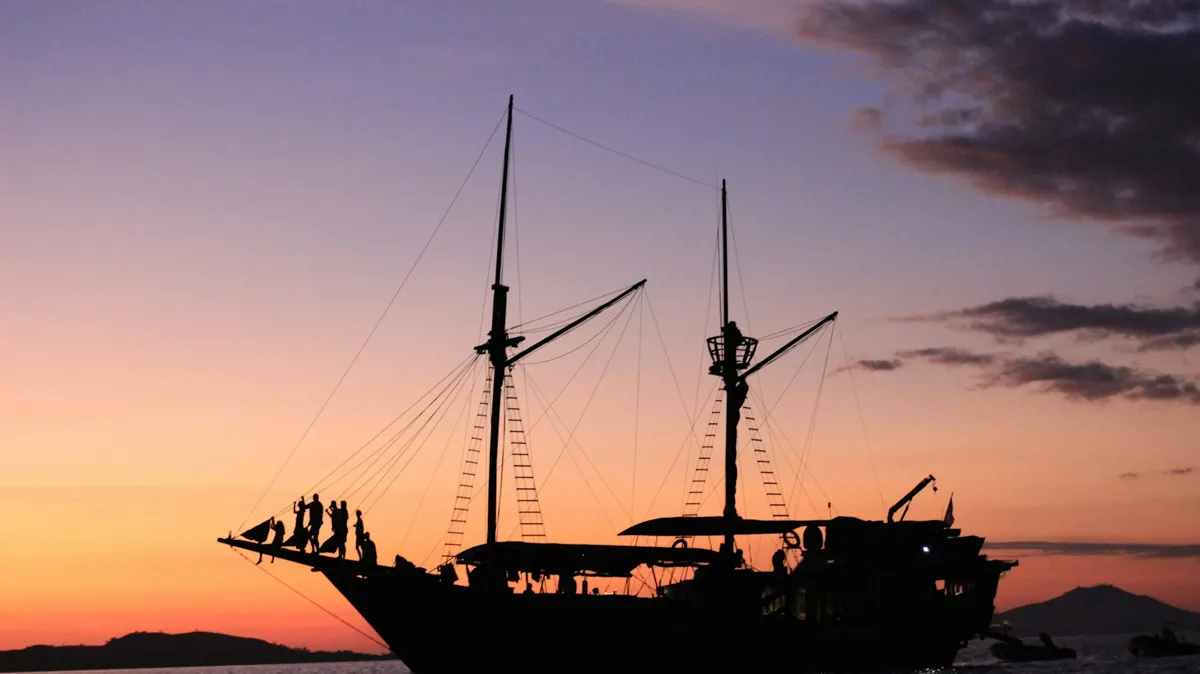
Why Komodo, and why now? Because the park is at a rare point in its story. It has been a UNESCO World Heritage Site since 1991, home to around three thousand dragons, and it is still possible to stand on Padar's saddle at sunrise with almost nobody else there. Flights from Bali take a little over an hour, yet most visitors see the park in a single crowded day. We think it deserves better: slow mornings, quiet anchorages, a night on deck under a two-masted phinisi. Our job is to show the place properly while the showing is still this good.
The fleet
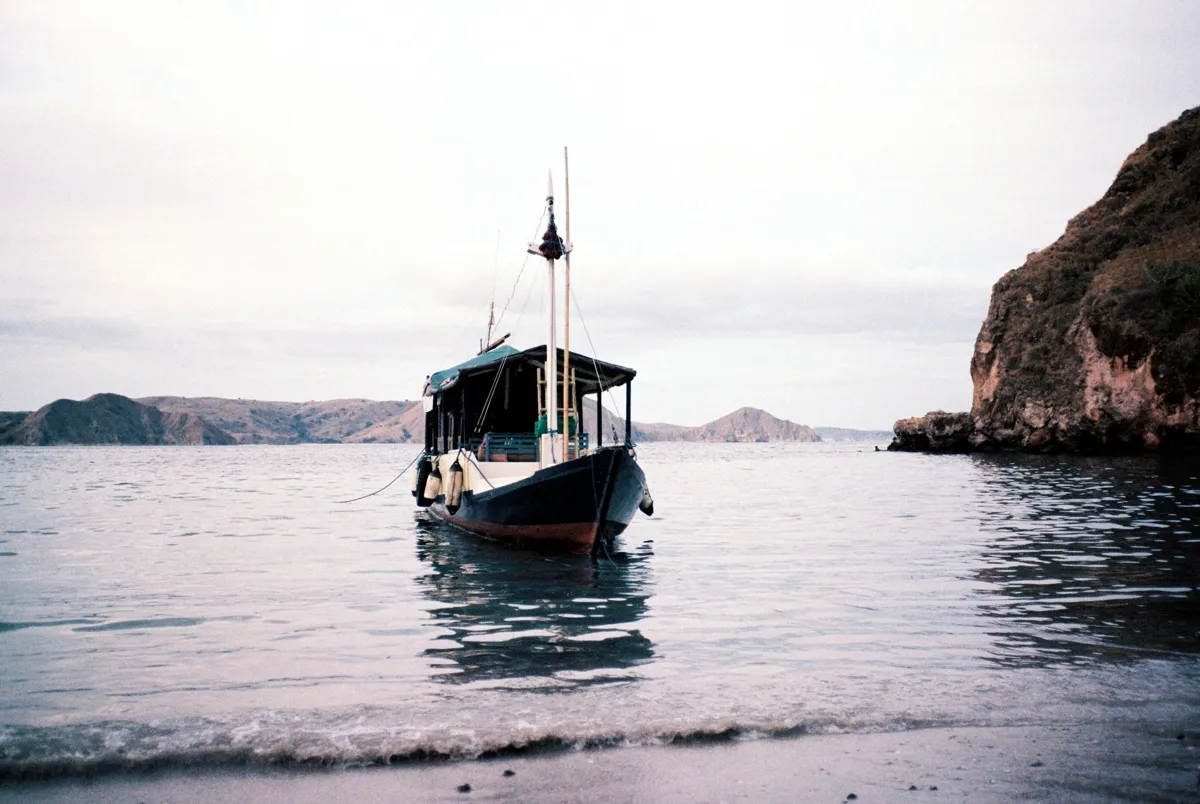
For day trips we run fast open boats with good shade — the honest workhorses of the harbour — and, on the Luxury tier, enclosed speedboats for drier, quicker crossings. For nights in the park, Classic runs on solid local liveaboards, simple and seaworthy; Signature and Luxury charter phinisi — traditional two-masted wooden sailing boats refitted with cabins — and the Luxury boats add ensuite cabins, a chef and a deck lounge for the hours between anchorages. On land, air-conditioned cars with drivers who know every bend of the Trans-Flores road carry you to Melo, Ruteng, Bajawa and beyond. Every vessel and vehicle is yours alone for the day.
What we promise
Our captains, cooks and guides are paid properly and rested properly, season after season. A crew that is treated well runs a better boat — you will taste it in lunch and hear it in how they talk about the park.
Ranger-guided walks, permits in order, drones only with a licence, no touching or feeding wildlife, reef-safe sunscreen on board. The park's rules are not obstacles to work around; they are why the place is still worth crossing the world for.
We time landings against the day-boat rush: Padar at first light, Pink Beach at lunch when the fleets have moved on, anchorages the group boats skip. You came a long way; you should not queue at the top of the steps.
Our guide prices are starting points, and we say so. Your quote lists what is included — boat, crew, permits, park fees, meals — before you commit. No surprise supplements at the harbour, no fees invented on the water.